The General Exhibition Hall presents a wide variety of exhibitions on Kyoto’s history, arts and crafts from various perspectives. The 2nd floor Exhibition Hall introduces the appeal of “Honmamon (literary, ‘the real thing’)” such as masterpieces associated with Kyoto through versatile special exhibitions. The floor also features an educational section where visitors can learn about the history of the city from the Heian period (8th to 12th century) to the Showa period (1926-1989). The 3rd floor Exhibition Hall holds large-scale special exhibitions focusing on the historical and cultural aspects of Kyoto.
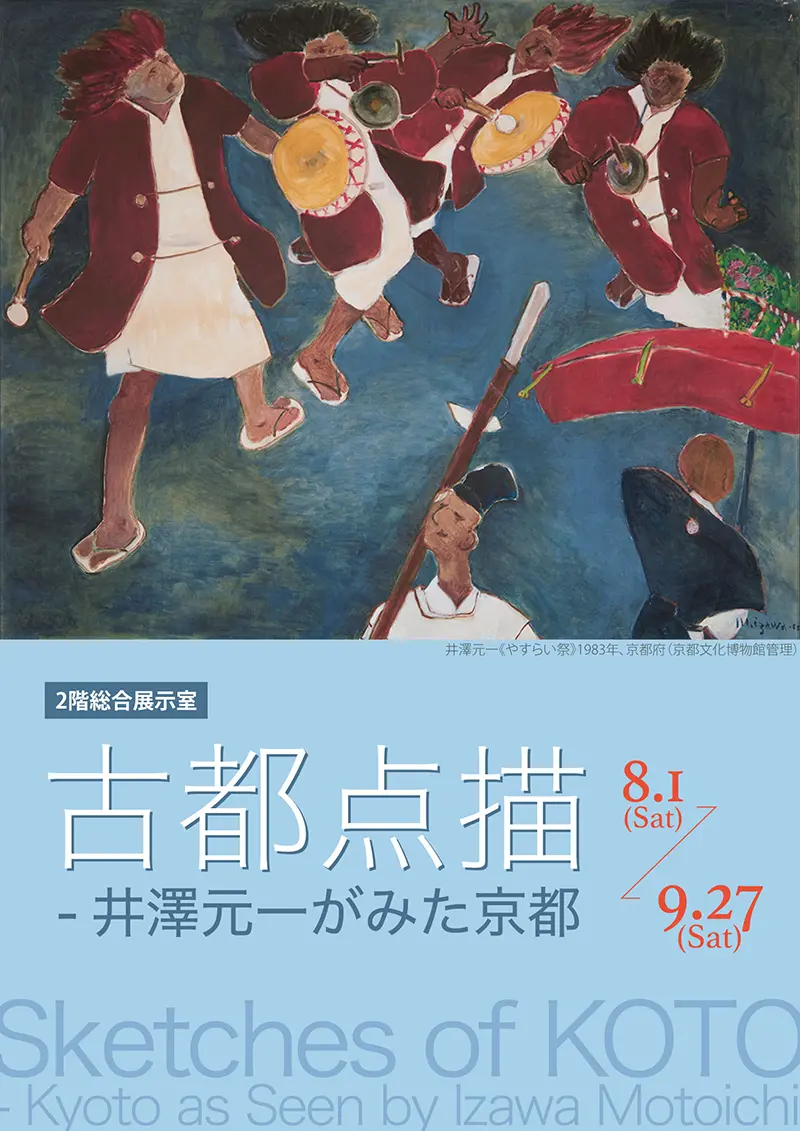
Sketches of KOTO -Kyoto as Seen by Izawa Motoichi
2026.8.1(Sat) 〜 9.27(Sun)
Izawa Motoichi (1901-1998) was a painter based in Kyoto. Though he initially found the idea of painting "Kyoto" repulsive as a westernstyle painter, kyoto and its scenery eventually became a central theme in his work in the latter half of his life. This exhibition showcases Kyoto as observed and depicted by Izawa, alongside his written words.
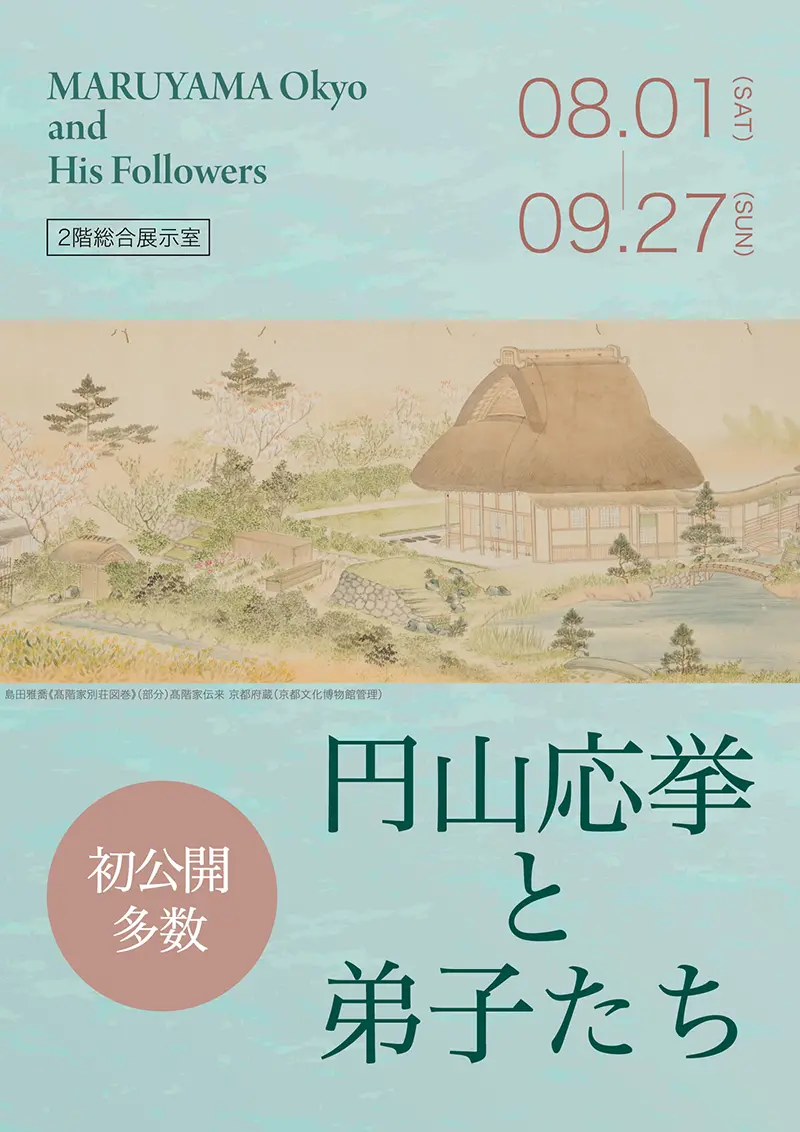
MARUYAMA Okyo and His Followers
2026.8.1(Sat) 〜 9.27(Sun)
Okyo settled on Shijo Street, where he expanded the scope of his activities and became closely acquainted with Kyoto's townspeople. His disciples also lived in the nearby Shijo area, between Kawaramachi and Karasuma Streets. This location would later become the namesake of their group: the Shijoha, or the Shijo School. This exhibition presents works that are mainly donated and deposited in recent years, many of which are Shimada Gakyo, "Picture Scroll of the Country Villa publicly exhibited for the first time.
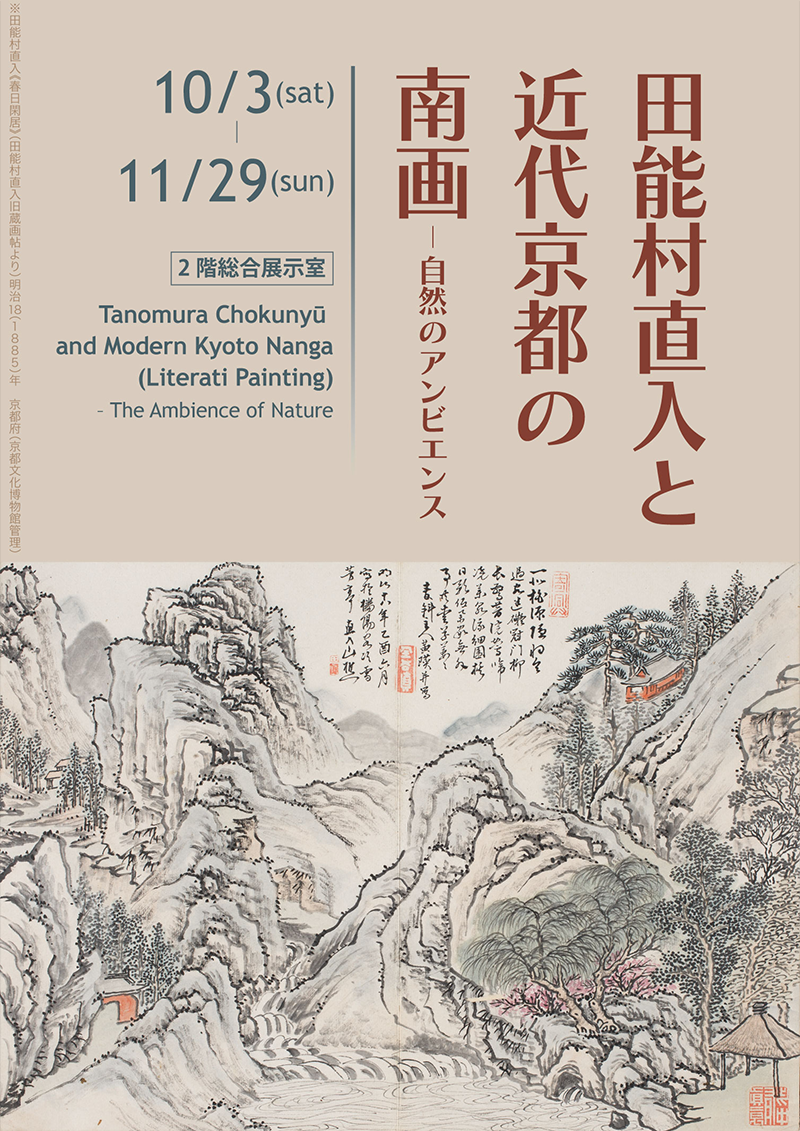
Tanomura Chokunyū and Modern Kyoto Nanga(Literati Painting) - The Ambience of Nature
2026.10.3(Sat) 〜 11.29(Sun)
This exhibition introduces the development of the Nanga painting in modern Kyoto through the works and other materials by Japan Nanga Association artists, including Tanomura Chokunyū (1814-1907), the Meiji-era Kyoto representative of the Nanga School.
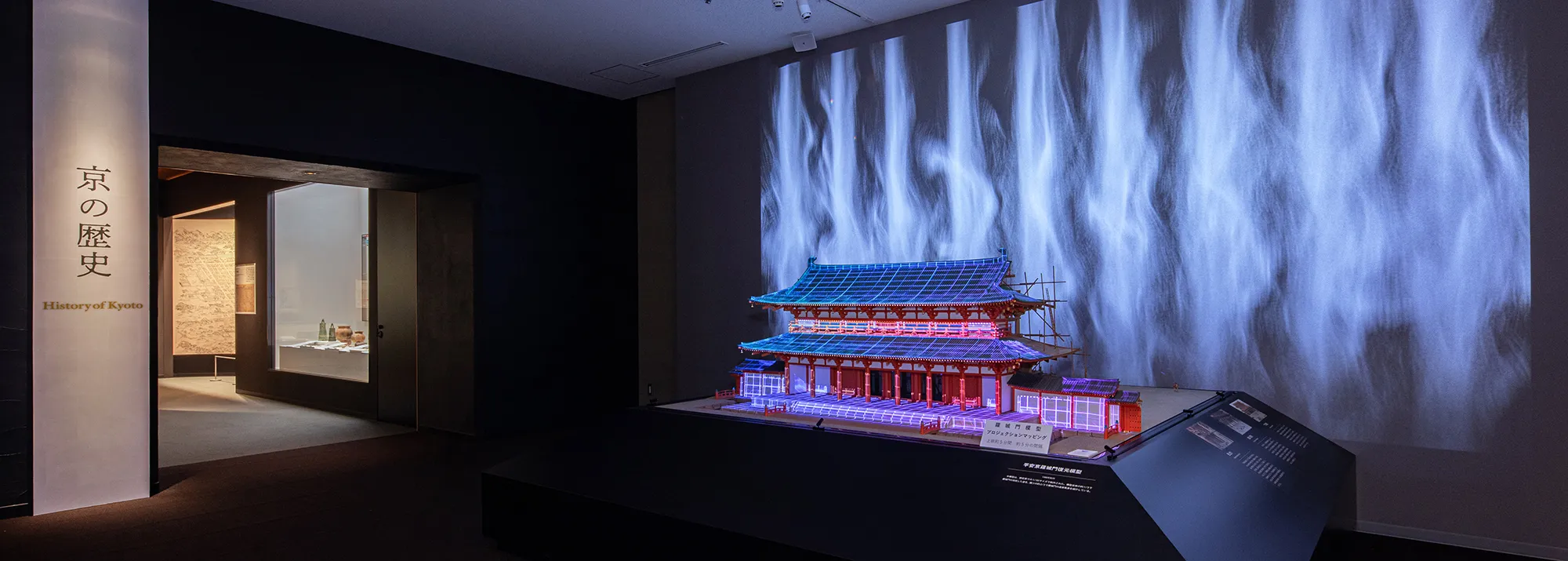
Photo/Hiroshi Mimori
Just walking around Kyoto, visitors can experience the history of the city.
(From the exhibition description below)
Since its establishment, Heian-kyo remained Japan's capital for more than 1,000 years. A century after its foundation, an elegant and refined court culture began to flourish. The cultural style, which had been heavily influenced by China, was assimilated into the Japanese aesthetic, forming a new and distinctively Japanese cultural world. This was the culture of the capital, born in Kyoto.
From the late Heian Period to the Kamakura Period, new urban development took place in areas such as Shirakawa, to the east of the Kamo River, and Toba, to the south. In addition, a new political administration, known as the bakufu (feudal government headed by a shogun), was established with its base in Kamakura. As a result, Kyoto and Kamakura became the two political capitals of Japan.
During the Muromachi Period, a new Bakufu was established in Kyoto, restoring the city’s role as the political capital. Chinese culture was actively embraced, and people with various occupations lived in Kyoto, transforming the city into a vibrant urban center.
During the Edo Period, Kyoto was one of the three major cities in Japan, and it held a prominent position as a city of tradition where townspeople, Kuge (noble families), temples, and shrines coexisted. The industries in Kyoto were built on traditional craftsmanship and supported by artisans. The products they created gained great popularity across the country, and they formed local communities to live and work together.
Due to the destruction caused by the wars at the end of the Edo Period, much of Kyoto was burned to the ground. During the Meiji Period, as the emperor moved to Tokyo and the government relocated there, Kyoto faced the threat of decline. However, local residents took the initiative to build elementary schools, develop the water transportation system, and organize commemorative projects to honor Kyoto’s history, working together with both the government and private sectors to regenerate Kyoto as a vibrant modern city.
Folding screen painting depicting various amusements held on the banks of the Kamo River on a summer evening